
Turn tables faster without rushing your guests
· The TurboResto team
More covers per shift often sounds like pushing people toward the door. Drop the bill, clear the plates, free the table. That works once and it costs you the guest.
There is a better lever. It is pace, not speed. Research on restaurant revenue management treats table occupancy time as one of the main levers an operator actually controls.
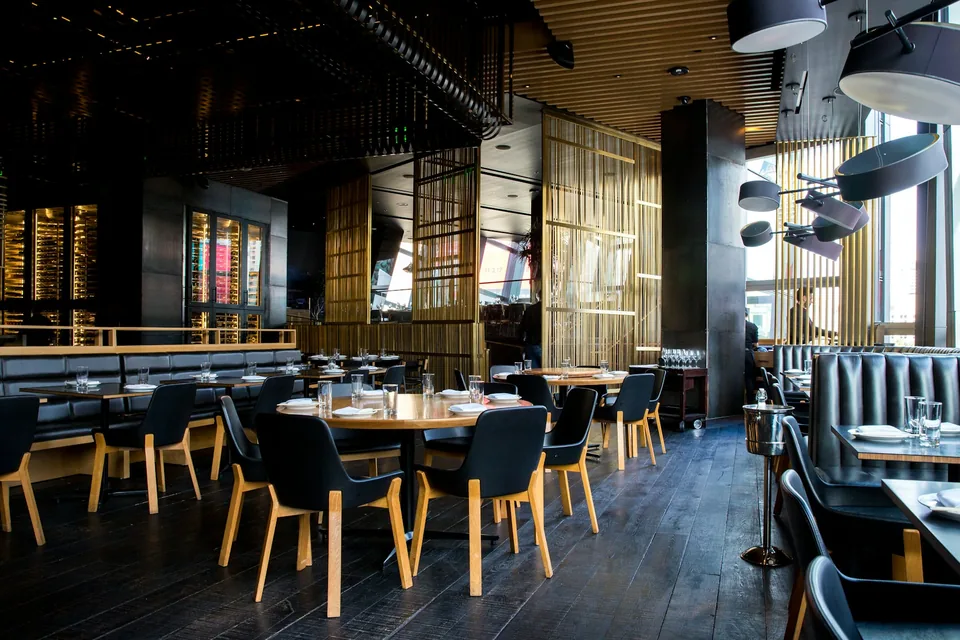
Rotations come from pace, not pressure
How often a table turns is decided long before the bill lands. It depends on how you space arrivals and where you seat each party. Sit four tables at 7:30 and the kitchen drowns, every table slows, and you lose the second turn. Space those same arrivals by fifteen minutes and the whole room moves faster without anyone feeling rushed.
TurboResto spaces arrivals so the kitchen gets a steady flow instead of a wall of tickets. Tables free up at a pace you can actually seat.
Seat the next party as soon as the table is ready
The other quiet killer is the gap between a table freeing and the next party sitting. Ten minutes here, ten minutes there, and over a full service you have lost a whole rotation. TurboResto flags the table the second it is ready and shows you who is waiting, so the next party sits before the plates are even cleared.
The guest never feels hurried. You just stop leaving rotations on the floor.
Pace the night in fifteen-minute slices
TurboResto splits the service into fifteen-minute slices and caps arrivals, covers, and bookings in each one. That stops four tables hitting the kitchen at once at 7:30. When a slice is full, the booking path offers the next best times instead of stacking. You can set those caps by channel, so the phone and the website do not fight for the same seat.
It also learns your real turn times from finished services, by party size, so a two-top and a seven-top are not measured on the same clock. Occupied tables show a live timer on the floor plan. Every free table shows when its next booking arrives, so the host can seat a walk-in knowing exactly how long they have.
See the math for your own room
Schedule a demo and we will show you where the extra rotations are hiding in your current service.
Sources
- Cornell University (Center for Hospitality Research), via Hospitality Net, "New Cornell study helps restaurant managers maximize revenue": table occupancy time as a revenue lever. https://www.hospitalitynet.org/news/4018612/new-cornell-study-helps-restaurant-managers-maximize-revenue